
Sometimes the changes you notice in the mirror are subtle — a little less fullness through the cheeks, deeper lines around the mouth, or facial contours that do not look quite as defined as they once did. Dermal fillers are cosmetic dermatology treatments that can restore lost volume, soften certain lines and folds, and enhance facial features without surgery. With several filler options available, treatment can be customized to create subtle changes that complement your natural appearance rather than changing what makes you look like you.
At Upper West Side Dermatology, filler treatments are personalized to your facial anatomy, concerns, and aesthetic goals. The practice’s board-certified dermatologists combine experience in cosmetic treatments with comprehensive medical, surgical, and pediatric dermatology, providing individualized care with both your appearance and skin health in mind.
What are Fillers?
Cosmetic fillers, also known as dermal fillers, are injectable substances used to restore volume, smooth wrinkles, and enhance facial contours. They typically contain hyaluronic acid or collagen, plumping the skin to reduce the appearance of lines and wrinkles. Fillers can also be used to augment lips and cheeks, providing a youthful, rejuvenated appearance.
Types of Dermal Fillers Available
Different fillers have different formulations, properties, and ideal treatment areas. Your dermatologist can recommend a product based on the type of correction you want, your facial structure, and the area being treated.
Options available may include:
- JUVÉDERM®: A family of hyaluronic acid fillers designed to restore or add volume in areas such as the lips, cheeks, chin, jawline, and facial folds.
- VOLUMA®: A JUVÉDERM filler commonly used to restore or enhance structural volume in areas such as the cheeks, chin, and temples.
- Restylane®: A collection of hyaluronic acid fillers with options for concerns such as lip enhancement, facial folds, cheek volume, chin definition, and under-eye hollows.
- Radiesse®: A calcium hydroxylapatite filler that provides volume and structural support while also offering biostimulatory benefits.
- Sculptra®: A poly-L-lactic acid injectable that stimulates collagen production to create gradual improvements in facial structure and volume.
Preparing for cosmetic fillers involves consulting a qualified practitioner to discuss treatment goals and medical history. Patients may be advised to avoid blood-thinning medications and alcohol before the procedure. Additionally, it’s essential to inform the provider of any allergies or sensitivities. Following pre-treatment instructions ensures optimal results and minimizes risks.
Cosmetic fillers are performed to address signs of aging by restoring lost volume, smoothing wrinkles, and enhancing facial contours. They provide a non-surgical solution to achieve a more youthful appearance, plumping areas like the lips and cheeks, and rejuvenating the overall look with natural-looking results.
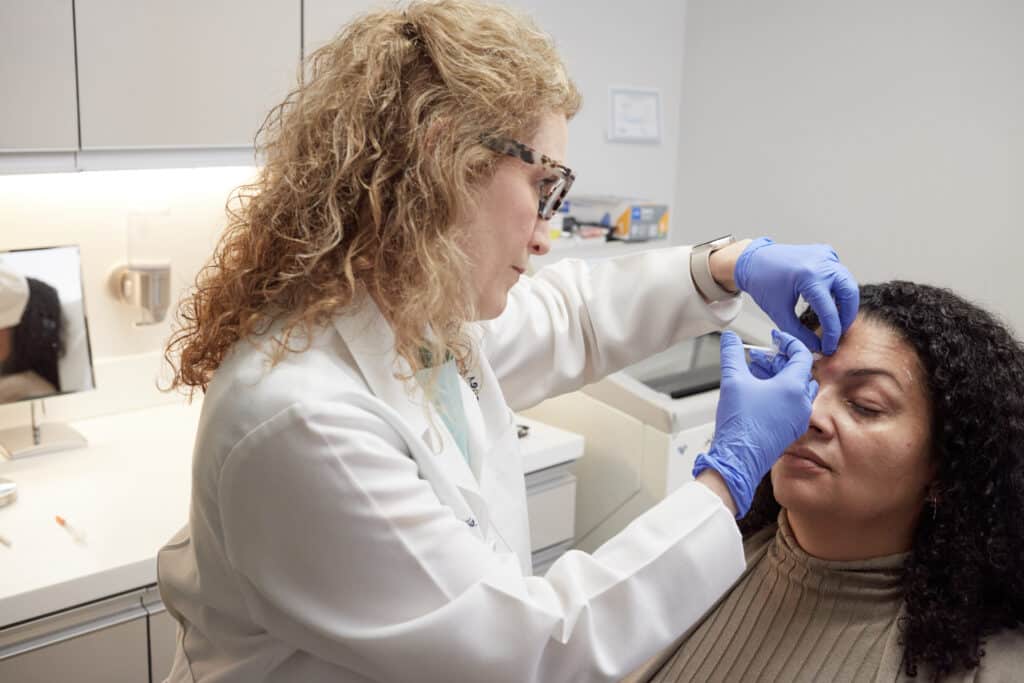
During a fillers procedure, the skin is cleansed, and the filler is injected using a fine needle or cannula. Patients may feel a slight prick or pressure, but discomfort is minimal. The injector may massage the area to ensure even distribution. Results are immediate, with minor swelling or redness subsiding shortly after the treatment.
After cosmetic fillers, follow-up typically involves monitoring for any adverse reactions and providing post-procedure instructions. Recovery is minimal, with most patients able to resume normal activities immediately. Some swelling or bruising may occur but usually resolves within a few days. Results typically last several months to a year, depending on the type of filler used and individual metabolism.
The cost of cosmetic fillers varies depending on factors such as the type of filler used, the amount required, and the practitioner’s expertise. On average, fillers can range from $500 to $2,000 per syringe, with additional costs for multiple syringes or touch-up sessions. Prices may also vary based on geographic location and clinic reputation. (WILL NEED TO FOLLOW UP WITH FRONT DESK FOR EXACT PRICING DETAILS)
Potential risks of fillers include temporary swelling, bruising, and redness at the injection site. Rarely, more severe complications such as infection, allergic reactions, or tissue damage may occur. Choosing a qualified provider and following post-procedure care instructions minimize these risks.
Related procedures to fillers include Botox injections, which relax muscles to reduce wrinkles, and thread lifts, which use dissolvable sutures to lift and tighten sagging skin. Each procedure targets different signs of aging and can be used alone or in combination for comprehensive facial rejuvenation.
Why Choose Upper West Side Dermatology for Dermal Fillers
At Upper West Side Dermatology, filler treatments begin with an individualized assessment of your facial structure instead of a predetermined injection plan. The board-certified dermatologists consider your proportions, areas of volume change, and desired results when recommending treatment, with an emphasis on enhancements that look balanced and appropriate for your features.
Patients also benefit from a collaborative dermatology team with extensive cosmetic experience. Dr. Sarah Yagerman, a double board-certified dermatologist and Mohs micrographic surgeon, has extensive training with injectable fillers, including JUVÉDERM, Restylane, Radiesse, and Sculptra. This expertise allows Upper West Side Dermatology to offer multiple injectable options within a comprehensive dermatology practice rather than a cosmetic-only setting.
Restore Natural-Looking Volume With Dermal Fillers in Upper West Side, NY
Dermal fillers can help soften lines, restore volume, and enhance your natural facial contours with a treatment plan created specifically for you. Call Upper West Side Dermatology at (212) 769-0069 to schedule a consultation.