
Noticing a new, changing, or unusual spot on your skin can be unsettling, especially when you are unsure whether it is harmless or needs attention. Skin cancer is one of the most common forms of cancer, and early evaluation can make a major difference in treatment options and outcomes. As part of medical dermatology, skin cancer care may include full skin exams, biopsy, monitoring, and treatment based on the type and extent of the condition.
At Upper West Side Dermatology, patients receive comprehensive skin cancer care from board-certified dermatologists with experience in both medical and surgical dermatology. The team includes Dr. Sarah Yagerman, a double board-certified dermatologist and Mohs micrographic surgeon with a special interest in dermatologic oncology, giving patients access to specialized expertise when surgical treatment is needed.
There are various types of skin cancers. The most common types can include basal cell carcinoma (BCC), squamous cell carcinoma (SCC), and melanoma
- BCC – Basal Cell Carcinomas are the most common type of skin cancers. They result from increased sun exposure and are most commonly found in sun-exposed areas. They can be treated by topical creams, cryotherapy, electrodessication, or surgical excisions.
- SCC – Squamous cell carcinoma is the second most common type of skin cancer. Squamous cells can develop from a pre-cancerous growth called actinic keratosis. They are also usually found in sun exposed areas and can be treated by topical creams, cryotherapy, electrodessication or surgical excisions.
- Melanoma – Melanoma is the most serious type of skin cancer. It develops in the cells that produce pigment in your skin. Melanoma can spread from the skin to other parts of your body and infiltrate into the lymph nodes. Melanoma’s are most often removed via surgical excision.
Skin cancer is primarily caused by exposure to ultraviolet (UV) radiation from the sun or tanning beds. The most common causes of skin cancer include:
- Sun Exposure: Prolonged exposure to the sun’s UV radiation over time can damage the DNA in skin cells, leading to mutations that can cause skin cancer.
- Tanning Beds: Artificial sources of UV radiation, such as tanning beds and sunlamps, also increase the risk of skin cancer. The intensity of UV radiation from tanning beds can be even stronger than that of the sun.
- Fair Skin: People with fair skin, light-colored eyes, and light-colored hair are at a higher risk of developing skin cancer because they have less melanin, which provides some natural protection against UV radiation.
- History of Sunburns: Experiencing sunburns, especially during childhood or adolescence, increases the risk of developing skin cancer later in life.
- Family History: Having a family history of skin cancer can increase your risk of developing the disease.
- Weakened Immune System: Individuals with weakened immune systems, such as those who have undergone organ transplants or have HIV/AIDS, are at a higher risk of developing skin cancer.
- Older Age: While skin cancer can occur at any age, the risk increases with age, especially after 50.
- Previous Skin Cancer History: Having had skin cancer in the past increases the risk of developing it again.
Signs and symptoms of skin cancer include new moles or growths, changes in existing moles (size, shape, color), irregular borders, itching, bleeding, or oozing lesions, and sores that don’t heal. Additionally, skin cancer may present as red or scaly patches, or nodules that are shiny, pearly, or waxy in appearance. Regular skin self-exams and prompt medical attention for any suspicious changes are crucial for early detection and treatment.
Risk factors for skin cancer include excessive exposure to ultraviolet (UV) radiation from the sun or tanning beds, fair skin, light-colored eyes/hair, history of sunburns, family history of skin cancer, weakened immune system, older age, certain medical conditions, and exposure to certain chemicals like arsenic. Regular sun protection and skin checks are vital for prevention and early detection.
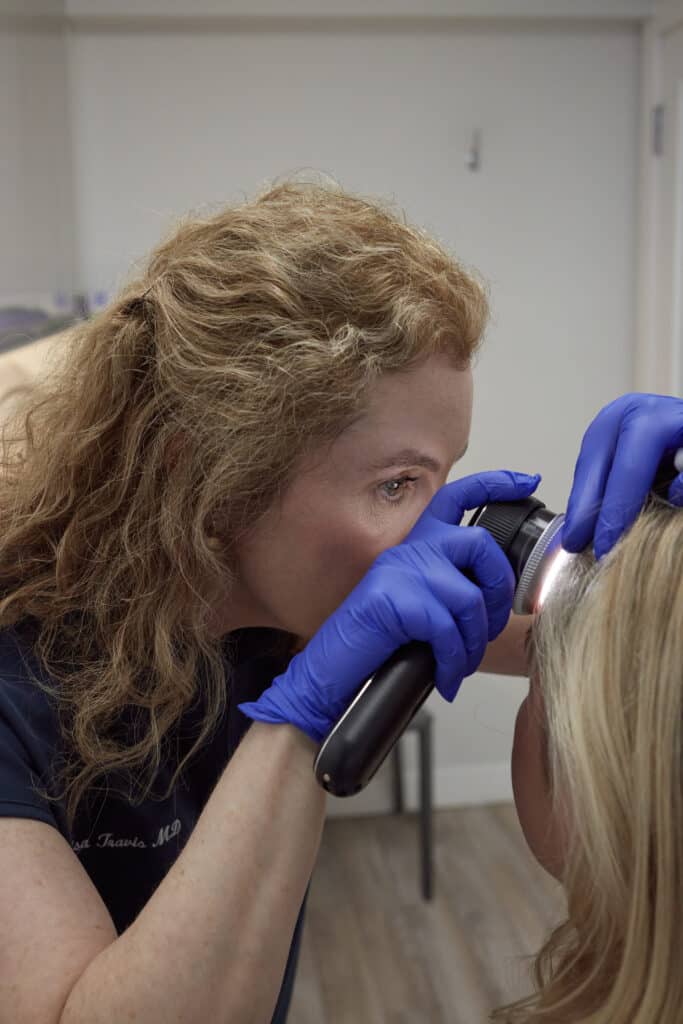
Skin cancers are diagnosed through various methods, including visual examination, dermatoscopy (skin microscopy), and biopsy. A dermatologist may examine suspicious areas, use a dermatoscope for detailed examination, and if necessary, perform a biopsy by removing a small sample for laboratory analysis. Biopsy results determine the type and stage of skin cancer, guiding subsequent treatment decisions. Regular skin checks aid in early detection and treatment.
Skin cancers are treated based on type, size, location, and stage. Options at our practice includes surgical excision, Mohs surgery, cryotherapy, and topical chemotherapy. Treatment aims to remove or destroy cancerous cells while preserving healthy tissue, often resulting in high cure rates, especially when detected early.
Preventative steps to avoid skin cancer include minimizing sun exposure during peak hours, wearing protective clothing and wide-brimmed hats, using broad-spectrum sunscreen with SPF 30 or higher, seeking shade, avoiding tanning beds, conducting regular skin self-exams, and promptly reporting any suspicious changes to a healthcare professional. These measures reduce UV exposure and promote early detection, lowering the risk of skin cancer.
If left untreated, skin cancers can grow and spread to nearby tissues and organs, leading to disfigurement, functional impairment, and potentially life-threatening complications. Advanced skin cancer may metastasize to distant parts of the body, such as lymph nodes, lungs, liver, or brain, reducing treatment options and overall survival rates. Early detection and treatment are crucial for better outcomes and prognosis.
If left untreated, skin cancers can grow and spread to nearby tissues and organs, leading to disfigurement, functional impairment, and potentially life-threatening complications. Advanced skin cancer may metastasize to distant parts of the body, such as lymph nodes, lungs, liver, or brain, reducing treatment options and overall survival rates. Early detection and treatment are crucial for better outcomes and prognosis.
- UV exposure from the sun or tanning beds is the primary cause.
- Early detection through regular skin checks increases treatment success.
- Risk factors include fair skin, history of sunburns, and family history.
- Prevention involves sun protection, including sunscreen and protective clothing.
- Prompt treatment is vital to prevent cancer progression and improve outcomes.
Recommended Next Steps
If you think you have developed skin cancer or are at high risk, we recommend scheduling a full body skin exam with one of our dermatologists. They will perform a thorough examination of the suspicious area and may recommend further tests or procedures. If the suspicious lesion has not already been biopsied, the dermatologist may perform a biopsy to confirm the diagnosis of skin cancer. During a biopsy, a small sample of tissue is removed from the lesion and sent to a laboratory for analysis.
Why Choose Upper West Side Dermatology for Skin Cancer Care
At Upper West Side Dermatology, skin cancer care is individualized from the initial evaluation through treatment and follow-up. The dermatology team can assess suspicious lesions, perform biopsies when appropriate, and recommend treatment based on factors such as the type, location, size, and behavior of the cancer.
Patients also benefit from access to surgical dermatology within the same comprehensive practice. Dr. Sarah Yagerman’s training in Mohs micrographic surgery and dermatologic oncology adds specialized expertise for cancers that may require precise removal, while the broader team supports continued monitoring and long-term skin health.
Protect Your Skin With Expert Skin Cancer Care in Upper West Side, NY
Early evaluation and personalized treatment can help you move forward with greater clarity and confidence. Call Upper West Side Dermatology at (212) 769-0069 to schedule a consultation.