
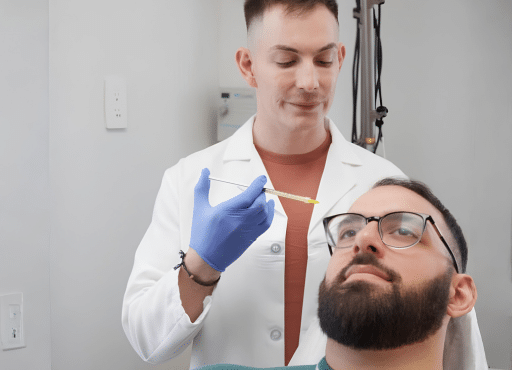
Seeing more hair in the shower, noticing a widening part, or watching your hairline change can be unsettling. Hair loss can have many causes, from genetics and hormonal changes to stress, inflammation, medications, or underlying health conditions, which is why identifying the cause of shedding or thinning is an important first step. As part of medical dermatology, hair loss care may include diagnostic evaluation, medications, injections, or other treatment options based on your individual needs.
At Upper West Side Dermatology, hair loss treatment is personalized to your pattern of thinning, medical history, scalp health, and goals. The practice’s board-certified dermatologists provide comprehensive medical, surgical, cosmetic, and pediatric dermatology, allowing patients to receive thoughtful evaluation and treatment for a wide range of hair and scalp concerns.
Hair loss, or alopecia, refers to the loss of hair from the scalp or body. It can range from mild thinning to complete baldness and can be temporary or permanent, depending on the cause. Hair loss can affect just the scalp or the entire body, and it can result from genetics, hormonal changes, medical conditions, or medications. If you’re seeking evaluation or hair loss treatment, a hair loss specialist in NYC can help determine the cause and best course of care.
- Androgenetic Alopecia: Also known as male-pattern baldness or female-pattern baldness, this is the most common type of hair loss, typically inherited and linked to genetic and hormonal factors.
- Telogen Effluvium: This temporary hair loss occurs after stress, a shock, or a traumatic event and usually involves the thinning or shedding of hair more than usual.
- Alopecia Areata: An autoimmune disorder that causes sudden hair loss that starts with one or more circular bald patches that may overlap.
- Traction Alopecia: Hair loss caused by physical stress on the hair, such as prolonged wearing of tight hairstyles.
- Anagen Effluvium: Rapid hair loss resulting from medical treatment, such as chemotherapy.
- Thinning on Top of the Head: This is the most common type of hair loss, affecting both men and women as they age. In men, hair often begins to recede at the hairline on the forehead. Women typically retain the hairline on the forehead but experience a broadening of the part in their hair.
- Circular or Patchy Bald Spots: Some people lose hair in circular or patchy bald spots on the scalp, beard, or eyebrows. Your skin may feel itchy or painful before the hair falls out.
- Sudden Loosening of Hair: A physical or emotional shock can cause hair to loosen. Handfuls of hair may come out when combing or washing your hair, or even after gentle tugging. This type of hair loss usually causes overall hair thinning but is temporary.
- Full-body Hair Loss: Some conditions and medical treatments, like chemotherapy for cancer, can result in the loss of hair all over your body. The hair usually grows back after treatment.
- Scaling Patches that Spread Over the Scalp: This is a sign of ringworm and may be accompanied by broken hair, redness, swelling, and, at times, oozing.
It’s important to note that it’s normal to shed between 50 and 100 hairs a day, which usually isn’t noticeable as new hair is growing in at the same time.
- Genetics: Family history (heredity) is one of the most significant risk factors for common types of hair loss, such as androgenetic alopecia (male-pattern or female-pattern baldness).
- Age: With aging, most people notice some hair loss because hair growth slows. Over time, some hair follicles stop producing new hairs.
- Hormonal Changes: Hormonal changes from pregnancy, childbirth, menopause, or thyroid disorders can trigger hair loss. This type of hair loss is often temporary but can become permanent without proper management.
- Medical Conditions: Scalp infections such as ringworm, autoimmune diseases such as alopecia areata, and diseases such as lupus can lead to significant hair loss.
- Medications: Hair loss can be a side effect of certain drugs, such as those used for cancer, arthritis, depression, heart problems, gout, and high blood pressure.
- Nutritional Deficiencies: A lack of essential nutrients such as iron, protein, and vitamins, particularly biotin, vitamin D, and other B vitamins, can affect hair health and cause hair loss.
- Stress: Physical or emotional stress can trigger a type of hair loss called telogen effluvium, which causes widespread thinning.
- Hairstyling Practices: Excessive styling and hairstyles that pull your hair tight, such as pigtails or cornrows, can cause a type of hair loss called traction alopecia. Frequent use of harsh chemical products such as dyes, bleaches, straighteners, or relaxers can damage hair and increase the risk of hair loss.
Hair loss can be diagnosed through a variety of methods, depending on the suspected cause and the severity of the condition. Our hair loss specialists in the Upper West Side and Columbus Circle may use:
- Medical History: The dermatologist will usually start by taking a detailed medical history, including family history of hair loss, recent illnesses, medications, diet, stress levels, and other relevant factors.
- Physical Examination: A physical examination of the scalp and hair can provide valuable clues about the type and extent of hair loss. Your dermatologist may examine the pattern of hair loss, the condition of the scalp, and look for signs of inflammation or infection.
- Pull Test: In a pull test, the dermatologist gently tugs on several strands of hair to see how many come out. This can help determine whether hair shedding is within normal limits or indicates excessive hair loss.
- Blood Tests: Blood tests may be ordered to check for underlying medical conditions that could be causing hair loss, such as thyroid disorders, hormonal imbalances, iron deficiency, or autoimmune diseases.
- Scalp Biopsy: In some cases, a small sample of the scalp may be taken and examined under a microscope to help diagnose certain types of hair loss, such as alopecia areata or scarring alopecia.
- Dermatoscopy: This involves examining hair shafts under a microscope to identify structural abnormalities that can provide clues about the underlying cause of hair loss.
- Nutritional Assessment: A nutritional assessment may be performed to check for deficiencies in vitamins and minerals important for hair health, such as vitamin D, iron, zinc, and biotin.
- Psychological Assessment: Since stress and psychological factors can contribute to hair loss, a psychological assessment may be conducted to evaluate the patient’s stress levels and emotional well-being.
- Topical Medications:
- Minoxidil: Available over-the-counter, minoxidil is applied directly to the scalp and can help stimulate hair growth in both men and women with certain types of hair loss, such as androgenetic alopecia.
- Finasteride: This prescription medication is taken orally and works by blocking the production of dihydrotestosterone (DHT), a hormone that contributes to hair loss in men with androgenetic alopecia.
- Oral minoxidil: Typically prescribed off-label for hair loss, particularly for conditions such as androgenetic alopecia (male or female pattern baldness) that do not respond well to other treatments.
- Oral Medications:
- Finasteride: As mentioned, finasteride is an oral medication that can help treat male pattern baldness by reducing DHT levels.
- Dutasteride: Similar to finasteride, dutasteride is another medication that blocks the production of DHT and may be used to treat male pattern baldness.
- Surgical Procedures:
- Hair Transplantation: During a hair transplant, hair follicles are harvested from areas of the scalp where hair is thicker (donor site) and transplanted to areas where hair is thinning or balding (recipient site).
- Platelet-Rich Plasma (PRP) Therapy:
- PRP therapy involves injecting the patient’s own platelet-rich plasma into the scalp to stimulate hair growth. It is thought to work by promoting tissue regeneration and increasing blood flow to the hair follicles.
- Medications for Underlying Conditions:
- If hair loss is caused by an underlying medical condition such as thyroid disease or alopecia areata, treating the underlying condition may help stop or slow down hair loss.
- Nutritious Diet: Eat foods rich in vitamins, minerals, and proteins to promote healthy hair growth.
- Gentle Hair Care: Avoid harsh treatments and overwashing, use gentle products, and be careful when brushing or combing wet hair.
- Stress Management: Practice stress-reducing techniques, such as meditation or exercise, to support a healthy hair growth cycle.
- Avoid Tight Hairstyles: Steer clear of styles that pull on the hair, as they can cause traction alopecia.
- Healthy Scalp: Keep your scalp clean and hydrated with gentle cleansing and occasional exfoliation.
- Stay Hydrated: Drink enough water each day to support overall hair health.
- Progressive Hair Thinning: In many cases, hair loss worsens over time if left untreated. What starts as minor shedding or thinning can progress to more extensive hair loss, including bald patches or widespread scalp thinning.
- Permanent Hair Loss: In some cases, hair loss can become permanent, especially if the underlying cause is not addressed promptly. Conditions such as scarring alopecia or long-term damage to hair follicles may result in irreversible hair loss.
- Potential Underlying Health Issues: Hair loss can sometimes be a symptom of an underlying medical condition, such as thyroid disorders, autoimmune diseases, or nutritional deficiencies. Leaving these conditions untreated could lead to other health problems if not diagnosed and managed properly.
- Limited Treatment Options: In some cases, delaying hair loss treatment may limit the effectiveness of available treatments. Hair follicles can become progressively damaged over time, making it more challenging to stimulate regrowth or restore lost hair
Related Conditions
Hair loss may be associated with:
- Thyroid Disorders: Both hypothyroidism (underactive thyroid) and hyperthyroidism (overactive thyroid) can cause hair loss. Thyroid hormones play a crucial role in regulating metabolism, and imbalances can disrupt the hair growth cycle.
- Iron Deficiency Anemia: Iron deficiency anemia is a common nutritional deficiency that can lead to hair loss. Iron is essential for the production of hemoglobin, which carries oxygen to cells, including hair follicles.
- Vitamin Deficiencies: Deficiencies in vitamins and minerals such as vitamin D, vitamin B12, zinc, and biotin can affect hair health and contribute to hair loss.
- Polycystic Ovary Syndrome (PCOS): PCOS is a hormonal disorder that affects women and is characterized by irregular menstrual periods, excess androgens (male hormones), and ovarian cysts. Hair loss and thinning, along with hirsutism (excess facial and body hair), are common symptoms of PCOS.
- Malnutrition and Eating Disorders: Severe malnutrition, as seen in conditions like anorexia nervosa or bulimia, can lead to hair loss due to inadequate intake of essential nutrients.
- Certain Skin Conditions: Scalp conditions, such as psoriasis and seborrheic dermatitis, can cause inflammation and scaling, leading to hair loss if left untreated.
- Medication Side Effects: Hair loss can be a side effect of various medications used to treat other medical conditions, including anticoagulants, beta-blockers, antidepressants, and chemotherapy drugs.
- Hair loss can have various causes
- Early detection and treatment are important
- Hair loss treatment options exist
- Overall health and well-being matter
Recommended Next Steps
Schedule a consultation with one of our trusted NYC hair loss specialists at either our Upper West Side or Columbus Circle location. A personalized evaluation can identify the cause of your hair loss and guide you toward the most effective hair loss treatment for your needs.
Why Choose Upper West Side Dermatology for Hair Loss Treatment
At Upper West Side Dermatology, hair loss care begins with determining what may be contributing to the problem rather than assuming every case is the same. The dermatology team can evaluate the pattern and severity of thinning, examine the scalp, review your medical history, and recommend a treatment plan based on the underlying cause and your goals.
Upper West Side Dermatology’s collaborative team includes physicians with specific interests in alopecia and related skin conditions. Dr. James Shea’s interests include alopecia, acne, psoriasis, and pediatric dermatology, providing patients with access to broad dermatologic expertise within a single comprehensive practice.
Support Healthier Hair With Hair Loss Treatment in Upper West Side, NY
Personalized hair loss care can help identify the cause of thinning and guide you toward treatment options that fit your needs. Call Upper West Side Dermatology at (212) 769-0069 to schedule a consultation.